



Cart
There are no items in your cart.
There are no items in your cart.
6 Hour CE Course
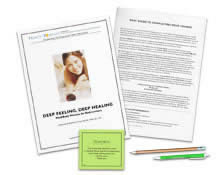
Touch is emotional. Although bodyworkers primarily focus on the treatment of the soft tissue of the body, they are in fact treating the whole person and often encounter an expression of emotion and/or memories triggered by touch. In this home study course, learn how psychoneuroimmunology (PNI) validates the mind/body link so you can better support your clients and help them facilitate positive changes that last over time. This course does not teach hands-on skills.
Feeling, Healing, and Touch |
1 Hour |
Feelings and the Mind/Body Interface |
1.5 Hours |
Pain, Regression, Tension, and Healing |
1.5 Hours |
The Inner Dimension of Bodywork |
1 Hour |
Case Studies Suggested Reading: Book Reviews |
0.5 Hour |
| Open-book Test and Course Evaluation | 0.5 Hour |
This was one of the most valuable continuing education courses I have taken. The subject matter, its relevance, and presentation were priceless, both for therapist and client.C. Law, RMT
This was such a great course with so much insight. Really loved it. Thank you.G. Barry, LMT
The information was really helpful in all areas and I even got a few authors to look up, that can help further knowledge in this field I love so much. I am so happy I found this site and that you can take advantage of it while sitting at home love it.F. Perrot, RMT
This was the best online course I've taken. The author was very knowledgeable and presented the material in a scholarly manner. It was a class act. The bibliography and book reviews were not only helpful but showed that the author had done his homework. It's nice to see such quality work compared to what I've experienced with other CE Providers.R. Sherard, RMT
Excellent, i will be back for more courses...L. Lewis
I found this to be the BEST course I have ever taken for massage CE credits. While reading the materials, I was interested enough to explore additional information online.Rae Batig, LMT
A fascinating, engrossing course of study. I have always tried to keep therapeutic sessions clinical and non-emotional, but this information reminded me how integral the limbic system is to the physical body. I will be looking at and listening to clients differently now.David Palmisano, LMT, AMTA
This course was amazing. It was well written, full of facts with supporting credentials and included real-life examples. I was not excited about taking an on-line course, but this one far exceeded my expectations. I learned so much. Thank you!Kathi Calvert, LMT
Very Interesting, well written and thoroughly enjoyable.Diana Johnson, LMT
This course was soooo up my alley in subject!!! The writer completely had me excited about learning this science. I want to read all the books suggested. I want to know all the author knows. Love the way it was written. The test questions were challenging, you couldn't just scan the text, you had to digest the information. Loved it completely for two reasons. 1. This is my favorite topic AND 2. It was presented so completely beautifully. Clearly the author is "in love" with the topic!Julie Lewis, LMT, AMTA
Thank you for such an interesting course based on cutting edge science. I very much enjoyed this class.Sara Pratt, LMT, NCBTMB
I loved this course. The visuals were intresting and helpful, Of all the 48 ceu"s i have taken this time this was my fave it was like having the teacher in the house talking .. thank you for making it. I also felt like it really made me take a look at my own life in a new light..."This program met my personal expectations" I would say it far passed them.. Thank you again.Alicia Hopkins, CMT
Loved this course. I am an LMT as well as an LCPC (Psychosoma therapist) who works with many trauma survivors who have many fragmented memories and I will utilize this work. Great research and presentation that flowed.Sharon McLean, LMT, ABMP
Very interesting. Made me think, which I love!Debbie McHenry, LMT
I loved this course! The wealth of information was educational, encouraging, inspiring, and I am looking forward to continuing research on the subjects outlined in this course. Thank you!!Julie Perkins, LMT
I was very happy with the entire experience - thank you very much for offering your services in a professional and pleasant manner. The material was highly interesting and informative - I will definitely implement the new things I've learned and the old ones I've forgotten, but brought back into memory...thank youHelena Littner, CMT, ABMP
Great course which is certain to make me relate to my clients in a deeper more meaningful way!Lynette Bazzill, LMT
This was probably one of the best courses I have ever taken, personally and professionally. This course has changed my life.Nancy Grimes, LMT
Every massage therapist or any one in the health care industry should complete this course. The information is logical and should be integrated into main stream medicine. Thank you, thank you, thank you for offering this course!!!Kelly Thompson, LMT, NCTMB, ABMP
The course was eye-opening. There was so much new (to me) information and I am totally excited with what I learned. The course was well put together.Jean Urban, LMT, ABMP
Excellent, enlightening, very relevant course. I found it personally liberating, as if in answer to questions that had been haunting me all my life during my own human experience. It finally made sense of the value of feelings, the biological response to repression of feelings, and the true body/mind connection. It offered the best description of mental health I have ever read. It described solid therapeutic responses that I as a bodyworker can offer my clients. Plus, I appreciated the thorough reviews of related books and materials which the author provided. Outstanding and inspiring!Valerie Hertel, LMT
This course was the most interesting online course I have ever taken. The information was fascinating, enlightening, and clearly presented. Well done!Bonnie Blackstock, LMT
Wow!! I just finished The Mind/Body Connection. The course was filled with so much information that I found to be completely in line with my experiences, both personally and professionally. This study really exceeded my expectations!! It is really nice to have all the "scientific" validation to things you feel innately to be the truth. It will really be a glorious day when all of medicine will truly begin to take these approaches!!Melissa L. Priest, LMT
I really enjoyed the material. It was food for thought. The material was well written and easy to understand. Will take other online courses because of the information that I learned from taking this course. ThanksMargaret A. Shepherd, LMT
This is my second CE course through your company and will most definitely be a return student/customer. This course was of particular interest and I will be doing more research and studying on the subject of Mind/Body Connection.Priscilla Lambson, LMT
This was an absolutely amazing course on the mind/body connection. I learned so much from it and made so many connections in my own life as to why I keep repeating so many patterns. I highly recommend it.Dorothy Cullinane, LMT, NCTMB, ABMP
This is an outstanding resource to maintain my Continuing Education.Nancy Munoz, LMT, ABMP
I found this course to be very interesting. I plan on continuing my studies on the mind/body connection by reading some of the suggested books.Sheila Wilcox, LMT
The information was great! I can use this in my work and in my own life.Shauna Wassmer
Very concise and clear presentation of the concepts and over-riding theory.Tomas C. Earl, LMT
Very interesting subject. We are truly amazing human beings.Diana Holloway, LMT, NCBTMB
I found it very interesting and informative.Debra Patsy, ABMP
Fascinating subject matter. Leads me to want to become a therapist!Catherine Hill, LMT
Brilliant!!Michel Cheyl Cartagena, LMT
Great CEU incredibly valuable information for any person to have.Mathew Potts, LMT
I really like how quickly the materials were shipped to me. Also, the readings included stories to go along with the studies. Very helpful!Jaimee Speece, LMT
Interesting. Different concept of thinking and understanding.Vickie Gross, LMT
Very interesting material. I did it in several stages, and also had to re-read some of the material over to understand better what the author meant. The test at the end was very helpful.Jerilynn Policelli, LMT
I didn't want to put the material down it was so interesting and informitive. I plan on reading the books suggested.Rebecca Vincent, LMT
I look forward to following this book list and would like to consider redefining my career objectives with this research.Catherine Brower, LMT, NCTMB
This course should be required for all Massage Therapists and Bodyworkers.Karen Ross, RMT
Provocative, interesting information beyond the beaten path....highly recommend!Sara Kyle, LMT, NCBTMB
Very interesting and enlightening course. I plan to continue studying the topics and appreciate the lengthy 'recommended reading' list.James Steele, LMT
Its very interesting & very helpful in my practice.Erlinda Evans, LMT
I really enjoyed this course. Thank You...Susan Sherin, LMT
I liked this course very much. I found it interesting with a lot of good information. I would highly recommend.Virginia Adams, LMT, NCTMB
Loved this course!! Very informative and challenging!Amanda Webb, LMT, RN
Wonderful!Stacey Perry, LMT
Great Course. Learned valuable Info to help me enhance my practice.Lindelle Kamanu, LMT, NCTMB
Look forward to following this book list and would like to consider redefining my career objectives with this researchCatherine Brower, LMT, NCTMB
I found this content to be both fascinating and difficult. This is a description of what I have always intuitively done as a massage therapist... I will be studying it for a very long time! I think this work "nails it" as far as what I do as practioner!Rebekah Faith Wright, LMT
Great course very informative.Richard Bell, LMT, NCTMB, AMTA
Very educational, lots of good information.Carol Quinn, LMT
Very interesting subject. We are truly amazing human beings.Diana Holloway, LMT
Very helpful information with my own personal growth and use in my massage practice.Matthew Langley, LMT
I loved this course! I would love to be able to receive more training in PNI as a massage therapist in order to further facilitate healing.Sandra Polizzi, LMT, ABMP
Excellent Course!Marcel Klasen, LMT, NCTMB
Much more information than I anticipated. Very absorbing!Lauren Nogrady, LMT, NCTMB
I enjoyed this course and it was very challengingBeverly Nall, LMT, ABMP
Very insightful. Pulled a lot of things together for me.Francis Brown, LMT, LMP, NCTMB
WOW!!!Cathy Croce, LMT, NCTMB
Very interesting and informative, I really enjoyed the subject matter.Wainani Macaulay, LMT
It was fantastic!!!Lama Amin, CMT
Fascinating!!!Deirdre Melosci, LMT, NCTMB
Fabulous content!Kimberly Blanch
Awesome!Victor D. Lucero, LMT
I really enjoyed this!Crystal Batten, LMP
Very interesting!! I plan to continue studying PNI and intertwine it into my practice.Melissa Bruketta, LMT, NCTMB
I loved this course! It was so different from many topics addressed and after reading it I would recommend it to everyone. Interesting, facinating and informative.Holly Adams, LMP
Very interesting!! I plan to continue studying PNI and intertwine it into my practice.Melissa Bruketta, LMT, NCTMB
Wow. Very good.Emily Peterson Crespo, LMT
Great content...very interesting!Julie Ostuno, LMT, NCTMB
Really enjoyable.Melissa Mowery, LMT
This course was amazing! Very informative and thought provoking.Nancy E. Mosher, LMT
I highly recommend this course for any body-worker. It is one of the most valuable and, thankfully, interesting CEU courses I've taken in 20 years! There is so much helpful information, I think it should be an 8 hour course, 7 at least. I wish I had taken it years earlier. Not only providing information on dealing better with certain clients, much of value for self-improvement is included. And not only for dealing with clients and self, but many interactions; familial, employ, church, and other aspects as simple as shopping can be enhanced with the understandings and patience-engendering concepts contained here. Not just as therapist, as world citizen. I think I have increased insight into many world conflicts after reading this.Jason Ryan, LMT, NCTMB
This was a very interesting class. It was harder than other classes. But I would highly recommend the classPeggy Nelson, LMT, NCTMB
The Mind/Body Connection course was very helpful. I would recommend it to anyone involved in the healing profession. I've studied the Mind/Body connection and I still learned alot. The author has integrated multiple sources into a very coherent and compassionate system of healing. I applaud his generous spirit.Christina Sarlo, LMT, NCTMB
This class was amazing, BUT it is a difficult course and you must really stay focused. The information was overwhelming at times but overall it was the best CEU class ever taken during my Massage Therapy career!!!Deborah Cole, LMT
This was an amazing course for me! Best on line ever. The material was not coincidentally helpful and timely in my personal life.Ellen Kulp, LMT
I would love this course to be audio. I can imagine listening to this information over and over again. So interesting. Thank you.Marina Merrick, LMT, NCTMB
This is the best course I have taken online yet! I love the author's tone, the detailed and easy to understand information, and his personal body-based therapy approach. I am so happy I took this course - for me and for my clients!Kimberly McAllister, LMP
I found this to be extremely interesting....helped me in my business practice as well as my home life. Thank you!Christina McLendon, LMT, NCTMB
AMAZING course, I really enjoyed it!! Content is obviously way ahead of it's time regarding credibility in the scientific/Western community. So much truth in what the US has not yet recognized as medicine and therapy... great course!!Donna Partenio, LMT
Thank you for this very interesting and powerful course. I believe it is the best continuing ed. I've ever taken! The course reflects where I've always been drawn in my career as a bodyworker. I appreciate that Mr. Bernay-Roman shared his reasons for the recommended readings. A splendid first effort, as far as his book writing career goes!Laura Manges, LMT
This was an excellent course! I would like to do my CE credits next time with another course from you. The test was not easy. It was well written and an excellent way to internalize the material. I especially appreciated the fact that the customer care representative called me and changed the course I took because I had mistakenly enrolled in a technique course, and the state of Texas does not accept technique courses online. Thank you!Ingrid Cardena, LMT
This course was fantastic! I am a massage therapist and a counseling intern, and found the material excellent and informative to both fields.Melanie Hite, LMT
This information is not only helpful for my practice, but for my personal growth and awareness as well.Cynthia Bannink, LMT, NCTMB
This was the best online class I've ever taken. Super interesting material and I would to work with the author of The Mind/Body Connection, Andy Bernay-Roman. I'm motivated to dive deeper into this subject. Thanks for offering this awesome material!Diane Edic
This course was phenomenal! It took me about 4 hours to complete because I was completely enthralled with this reading. It was incredibly profound and i learned so much about myself. It definitely took me on an emotional adventure. I would reccomend this course to anyone no matter his/her profession.Amilia Ramirez
This is one of the most interesting courses I have ever taken from any provider and in any format. I am constantly telling people about what I learned. I plan to read the materials again.Sylvia Stevens, LMT
This is a fantastic course. I highly recommend it to all.Claudia Raphael, LMT
Excellent course. Although the author stated that within the course most of the psychological aspects were removed to focus on the bodywork aspects, I would have been interested in reading the full material; at least have the opportunity or access to the rest. Thanks again for a great course.Rebecca Schimetka, LMT
Excellent course! Engaging topic! I recommend this course to anyone wanting to know more about the role of emotions in their health.Adrea Robles, LMT
The author is very intelligent and a very good teacher. He gives great resources for follow up. His teaching seemed "personal"; I believe it is his writing style. It is "friendly", although it is scientific!Patricia McCary, LMT
Wow! This course is just What I was looking for to stimulate and grow new neuro pathways in my own brain! I enjoyed the challenge of having to rethink and reread some of the content! The case studies are very interesting and I really appreciate Andy Bernal-Roman’s gift of sharing his knowledge, experience and tenderness. I highly recommend this course.Deborah Caudle, CMT
I love this course. I am a massage therapist and also an energy psychotherapist and more traditional psychotherapist. Quite a number of my clients have experienced traumas in their lives. I completely agree with the author of this course and practice what he preaches in my own way. I heartily believe that deep feeling is the way to experience deep healing. I certainly highly recommend this course!Marinna Elaine Hinkle, MACP, BCMTB
LOVED this course! Super helpful in understanding the mind/body connection and very relevant to all mind/body practices for a integrative approach.Teany Hidalgo, LMT
This was by far my favorite! I had to make myself put the material down. I would definitely read more material by this author!Ashlea Cirkles, LMT
LOVED this course!!!! It spoke to me on so many levels! Thank you for this course and information, I will be rereading often!Karen Kittner, LMBT
A very interesting and informative course. I'm glad I chose this one.Gwendolyn Young, LMT
This course was intensely interesting. Having an understanding of how ones feelings and experiences has the potential to effect ones health, mentally and physically, provides an open window/hope for recovery and empowers one to take sympathetic action.Howard Daniel, CMT, BCTMB
This course was my favorite ever! Relevant on so many levels!!Angela Hailey, LMBT
This was an amazing course. I loved the writing style and content very much! Would take another one of his classes!Kathy Stevens, LMT
The Institute offers courses in a way that fits into my lifestyle. The employees are friendly and helpful. This course was different in that the author was more opinionated than usual and put his personality into it. This was fine with me. A good therapist should follow his convictions and theories. The reader can judge what he feels is pertinent to him or not. I don't know how much this will directly influence my work, but I found it very interesting and helpful on a personal level.Julia M. Calderon, LMT
I absolutely loved this course! It answers so many questions about what programs us, as humans to respond unconsciously in our lives mentally & physically, and how to make long lasting successful change. Thank you Andy Bernay-Roman!Jennifer Miranda, LMT
This was an incredibly interesting text. I plan on rereading it. It has bearing on my life, my children's lives and really the way we perceive others in life. The test was incredibly hard. The questions were so incredibly detailed into tiny little facts that most of were buried amidst what I think were more important things to have learned from study. Very time consuming test.Shannon McGinnis, CMT, BCTMB
"The human body structurally demonstrates the fundamental and natural necessity for boundary-setting as a means of sustaining health, especially in two locales: the skin and the immune system. The skin is both our outermost organ and the site of physical contact with the world, marks where the self ends and the "outer" world begins. Also known as the "integument," it functions as the built-in delineator of our separateness and our integrity as individuals. When someone touches us lovingly and appropriately, we feel soothed, stimulated, "in touch", and connected. Gentle touch not only elicits a cascade of mood altering endorphins and the relaxation response to make us feel good, it also triggers the skin to release thymopoeitan, a hormone which bolsters our immune competence by stimulating maturing immune cells. When someone touches us without our permission we feel "invaded" and "violated," and our fight-or-flight response kicks in, along with a gush of stress hormones, aborted digestion, elevated blood pressure, and increased muscle tension. Negative contact with the world is an emergency." (Deep Feeling, Deep Healing by Andy Bernay-Roman LMHC, NCC, MS, RN, LMT, 2009, p. 69)
The necessity for intact boundaries, as vital to the integrity of the entire organism, is best reflected in which two parts of the human anatomy?

Enroll Risk-Free! Examine our courses for up to 90 days and if you're not 100% satisfied by the quality or our service, your full tuition cost will be cheerfully refunded. Learn more about our guarantee.

Take our free online course:
Ethics Refresher
We will not rent/sell your email to anyone. You'll also receive our newsletter and special offers.

Take our free online course: Ethics Refresher
We will not rent/sell your email to anyone.
You'll also receive our newsletter and special offers.
Thank you! An email will be sent to the address provided with instructions on how to enroll in this 1 CE hour course - FREE!
If you do not see our email within a few minutes of signing up, please check your Spam/Junk folders it may have been delivered there instead of your inbox.
If, by chance, you still have not received it within 5 minutes, please call us at 1-800-364-5722, Monday-Friday, 9am-5pm EST for assistance.
 Stress Reduction Through Bodywork
 Chronic Pain Management
 Staying Well - Naturally