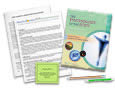


Psychological Defenses and Boundaries in Massage Therapy
Description
Qualifies for 6 CE Hours in Ethics, including 2 Hrs. in NCBTMB Standard V. Through text and cartoons, learn new insights into the psychological factors that influence your work and your client relations. Based on The Psychology of the Body by Elliot Greene and Barbara Goodrich-Dunn, this course explores the ethical issues related to the psychological defenses and body boundaries that profoundly influence people. Learn fresh approaches to recognizing and responding to ethical issues; using therapeutic frames, and confidently collaborating with mental health professionals. The textbook includes numerous cases studies and suggestions for applying the concepts through self-directed exercises. This textbook is the same one used for our Body Psychology course. It is also a valuable reference to use over and over.
Back to top Enroll NowEnrollment Options
Enroll Risk-Free! Examine our courses for up to 90 days and if you're not 100% satisfied by the quality or our service, your full tuition cost will be cheerfully refunded. Learn more about our guarantee.

| Choose an enrollment type: | |||
|---|---|---|---|
| Text Materials Shipped and Test Online | Contents: Text shipped to you. Online multiple-choice test. | $75 | |
| OR | |||
| Materials and Test Shipped to You | Contents: Text and workbook with multiple-choice test shipped to you. | $75 | |
Already own the text The Psychology of the Body (ISBN: 0781737826)? Call us at 1-800-364-5722, 9am to 5pm, to discuss enrollment options.
Content Outline
| The Psychological Life of the Body | 1 hour |
| Psychological Factors Affecting Massage Therapy |
1.5 Hours |
Psychological Defenses Affecting Massage Therapy
|
1.5 Hours |
Boundaries and Limits in Massage Therapy
|
1.5 Hours |
| Open-book Test and Course Evaluation | 0.5 Hour |
Testimonials
Very satisfied. This was my first time taking courses from you. I was very pleased in all aspects of this course! Thank you!Rebecca Maddock, RMT, ALM, LMT - Medfield, MA
Thank you. The book is wonderful. (Wish I'd found it years ago!)J. Kenyon, LMT, NCTMB
Very useful information.M. Ard, LMT, NCTMB
Learning Objectives
- Describe at least 1 way of identifying or responding to each of the 10 types of client defenses.
- Identify the essential elements in therapeutic relationships and roles; self-awareness and supervision.
- Describe the difference between massage therapy and psychotherapy in terms of scope of practice.
- List at least 1 key element of sexual boundaries; social boundaries and financial boundaries, and identify examples of how each relates to massage therapy or bodywork practice.
- Define the term “therapeutic frame” and recognize how it applies to safe and ethical practice.
Sample Test Question
A massage therapist’s decision about socializing with clients depends on certain variables, such as: how long s/he has been working with the client, the focus and intent of the work, the precise nature of the relationship and the therapist’s
- need for a social life
- desire to be the center of attention for awhile
- understanding of how the client sees him/her
- obligation to fulfill the client’s expectations