

Chair & Ethics Package
Description
This package contains 2 courses. Take each course when it fits your needs.You may take 1 test now and save the other test for your next renewal period if you wish. You'll receive 1 certificate for each test. Note: Extra ethics hours may be used to meet NCBTMB General CE Hour requirements.
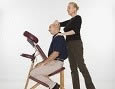
Description: Based on a textbook by Ralph R. Stephens, this course includes 2 parts. Part 1 teaches key concepts of seated massage and provides encouragement to seek additional hands-on training. The text, photos, case studies and sample forms will benefit both new and experienced seated massage practitioners. Discover this expert’s recommendations for equipment, communication, documentation and body mechanics. The ethics part presents key ethics concepts related to seated massage including safety considerations; recommended products for sanitation; contraindications, setting your fees; establishing contracts; identifying target markets and choosing effective promotional strategies. As a FREE bonus, the textbook also provides detailed instructions and photos for numerous seated massage routines.
Back to top Enroll NowEnrollment Options
Enroll Risk-Free! Examine our courses for up to 90 days and if you're not 100% satisfied by the quality or our service, your full tuition cost will be cheerfully refunded. Learn more about our guarantee.

| Choose an enrollment type: | |||
|---|---|---|---|
| Text Materials Shipped and Tests Online | Contents: Text shipped to you. Online multiple-choice tests. | $130 | |
| OR | |||
| Materials and Tests Shipped to You | Contents: Text and workbooks with multiple-choice tests shipped to you. | $130 | |
Content Outline
| Definition, History and Benefits of Seated Massage | 1 hour |
| Equipment Considerations | 1 hour |
Communication, Assessment, Documentation and Treatment Planning:
|
1 hour 1 hour |
| Body Mechanics for Performing Seated Massage | 1 hour |
| Recommended Approaches to Injury Prevention | 1 hour |
| Sanitation, Personal Hygiene and Safety in Chair Massage (Ethics: Standard I) | 1 hour |
| Contraindications to Seated Massage (Ethics: Standard 1) | 1 hour |
The Business of Chair Massage (Ethics: Standard IV) as follows:
|
1 hour |
| Open-book Test and Course Evaluation | 1 hour |
Learning Objectives
- Define “seated massage” and identify its benefits compared with table massage.
- Identify the essential elements recommended for choosing seated massage equipment.
- List the essential elements for effective client intake and assessment in seated massage.
- List the essential elements for effective treatment planning and documentation for seated massage.
- Identify the recommended body mechanics for performing seated massage.
- Describe at least 4 ways to use posture, movement and breathing to prevent therapist injury.
- Identify the recommended safety considerations for seated massage, including recommended products for sanitizing the therapist’s hands and massage chair in normal and rushed situations.
- Describe the key elements in the determining if massage is appropriate, partially contraindicated or totally contraindicated.
- Identify the key ethical considerations when setting rates and establishing contracts with individual and group clients. Describe the key elements in identifying target markets and choosing effective promotional strategies for seated massage.
Sample Text
"Massage and stretch the short, contracted muscles 2 to 4 times as much as the long ones. The long muscles need to be massaged and lightly stretched because they are ischemic and, due to the constant overload, often harbor trigger points. They are usually the muscles the client feels their pain in. Massage and stretch them to restore circulation and eliminate any trigger points. This brings the client relief and they have the sense you are attending to their complaint. However, in doing this, you are just addressing the symptoms, not the cause of their problem. To address the cause and bring them longer lasting relief, you should address the short, contracted muscles on the other side of the joint and work to relax and lengthen them. If you treat both sides of the joint equally, you will not change the relative position of the joint or the tone of the muscles. You will just relax both sides. Once the client stands up, they will be in their same posture as before you started and possibly, by relaxing the already long muscles, you will allow the short, tightened muscles to pull them farther into distortion. This is why it is recommended to treat the shortened muscles 2 to 4 times as much as the long muscles, significantly relaxing and lengthening the short muscles, allowing the client to stand up into a more correct posture." from Therapeutic Chair Massage (2006), by Ralph R. Stephens, p. 54
Back to top Enroll NowSample Test Question
If your client has postural distortion, the general rule is to work the muscles on both sides of the involved joints, massaging 2 to 4 times longer on the
-
a. referred pain
b. trigger points
c. shortened side
d. lengthened side

Canine Massage and Energy Work
Aromatherapy: Restoring Emotional Balance
Marketing Massage in Four Easy Steps